The Emerald Castle (1926)
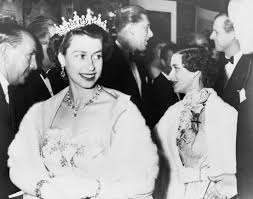
When Dorothy journeyed along the yellow brick road, she chanted, “Lions, tigers, bears, oh my!” Twenty-six years later, a contemporary queen treads a path of purple whose chant could well be, “Castles, corgis, crowns, oh my!” The modern monarch has a life that rivals the marvels of Oz.
For the irony file, the world’s longest reigning royal was not slated to become Her Most Excellent Majesty Elizabeth the Second, by the Grace of God of the United Kingdom of Great Britain and Northern Ireland and of Her Other Realms and Territories Queen, Head of the Commonwealth, Defender of the Faith. At the time of Elizabeth Alexandra Mary Windsor’s birth, as her father, Prince Albert, was a second son, the mantle of monarchy belonged to her uncle Edward, the Prince of Wales. Because the princess was never supposed to be queen, her, along with younger sister, Margaret, childhood was relatively typical, insofar as typical entailed having King George V as your grandfather. The calm shattered in 1936 when her uncle Edward VIII repudiated his ermine robes after 325 days to wed American Wallis Simpson. A shocked footman relayed the news to the young princesses. Margaret asked her ten-year-old sister, “Does that mean you will have to be the next queen?” “Yes, someday,” Elizabeth replied. “Poor you,” Margaret responded. Only the arrival of a baby brother would have altered her fate.
Margaret’s negative comment regarding the crown originated with her father who had sobbed when he and his mother discussed the abdication, partially as he dreaded his stutter would be on public display. Nevertheless, he accepted the role of King George VI, and, along with his wife, Elizabeth, moved with his family to Buckingham Palace. As any excursion into London resulted in a media frenzy, normalcy would never be their norm. In 1933, the king gifted Elizabeth with Dookie, a corgi which helped her cope with the pressures of her station. (She has owned at least thirty of the breed). Queen Mary, who always wore a tiara to dinner even if she and her husband dined alone, drilled protocol into her granddaughter.
In 1940, with the outbreak of war, the close-knit family were often separated as the king and queen sent their daughters to Windsor Castle, about twenty miles away from the capital, and therefore not a likely target during the Blitz. The girls remained in their sheltered enclave for five years. A perk during the war time austerity was a thatched-cottage playhouse, the Y Bwthyn Bach, a present from the people of Wales, that had perks such as a heated towel rack, an electric fireplace, French dolls, and eight fur coats. In 1945, Elizabeth enlisted in the Women’s Auxiliary Territorial Services as No 230873 second subaltern Elizabeth Windsor. Photographs of her, alongside the military, became staples in Allied propaganda.
Following Germany’s defeat, in Buckingham Palace, Elizabeth became reacquainted with her third cousin, Prince Philip Mountbatten, who she had first met at age thirteen at the Royal Naval College in Dartmouth. At that time, she had been mainly enthralled at Philip’s agility in jumping over tennis nets. Upon their reunion, the seventeen-year-old was still taken with the twenty-two-year-old who had spent the war years as a naval lieutenant on a British destroyer that had been under danger of bombardment by German Stukas. Their match seemed improbable: she was the daughter of King George VI; he was the nephew of the deposed king of Greece; the Windsors were the lords of majestic castles; his family were exiles. Despite their differences, romance blossomed: Philip’s terms of endearment for Elizabeth were Lilibet, Sausage, or Darling. The prince proposed, and the twenty-year-old princess accepted without consulting mum and dad. During their 1947 wedding, the crowned heads of Europe and the world’s most powerful poli
Can We Talk? (1933)
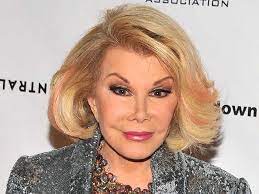
Shakespeare’s clowns were the stand-up comics of the Elizabethan world. Their role: mock the pompous and puncture the pretentious. Paradoxically, the fools were the wise men of the era. As Regan observed in King Lear, “Jesters do oft prove prophets.” Stephen Sondheim’s 1970s song that showcases our need for humor ends, “Quick, send in the clowns/Don’t bother/They’re here.”
Checkmate (1991)
A Good Judge (1981)
.jpeg "A Good Judge (1981)")
England's Rose (1961)
Indian Summer (1901)
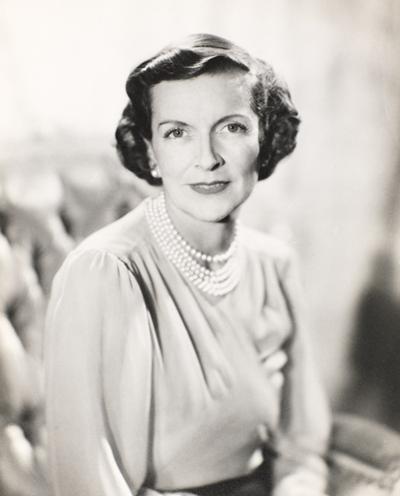
The Storm (1875)
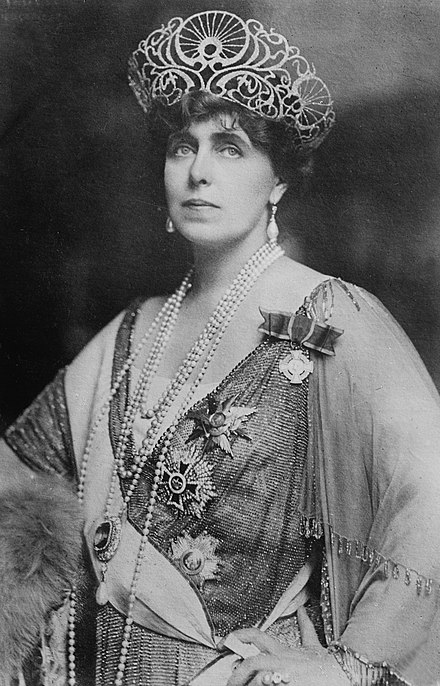
A Perfect Match (1956)
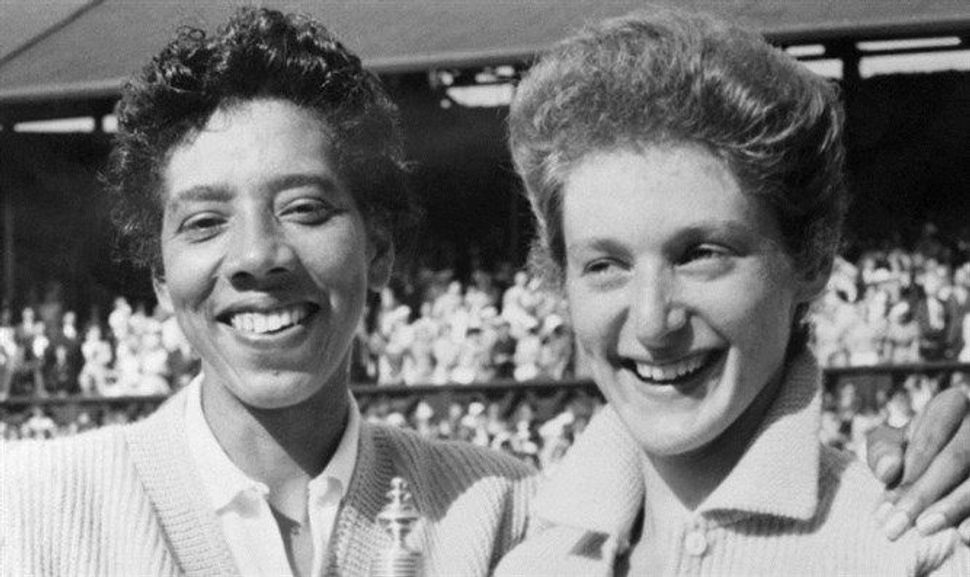
Farewell to Thee (1838)
More Human (1903)
MY BELOVED WORLD (1954)

It Took a Yankee (1926)
Bon Appetite (1924)
Just a Kiss (1968)
England's Rose (1961)
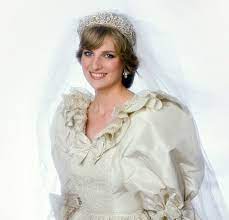
The British national anthem ends with the words, “Long to reign over us/God save the Queen.” A princess never had the opportunity to sit on the throne, and yet forever rules as an immortal icon.
In My End (1542)
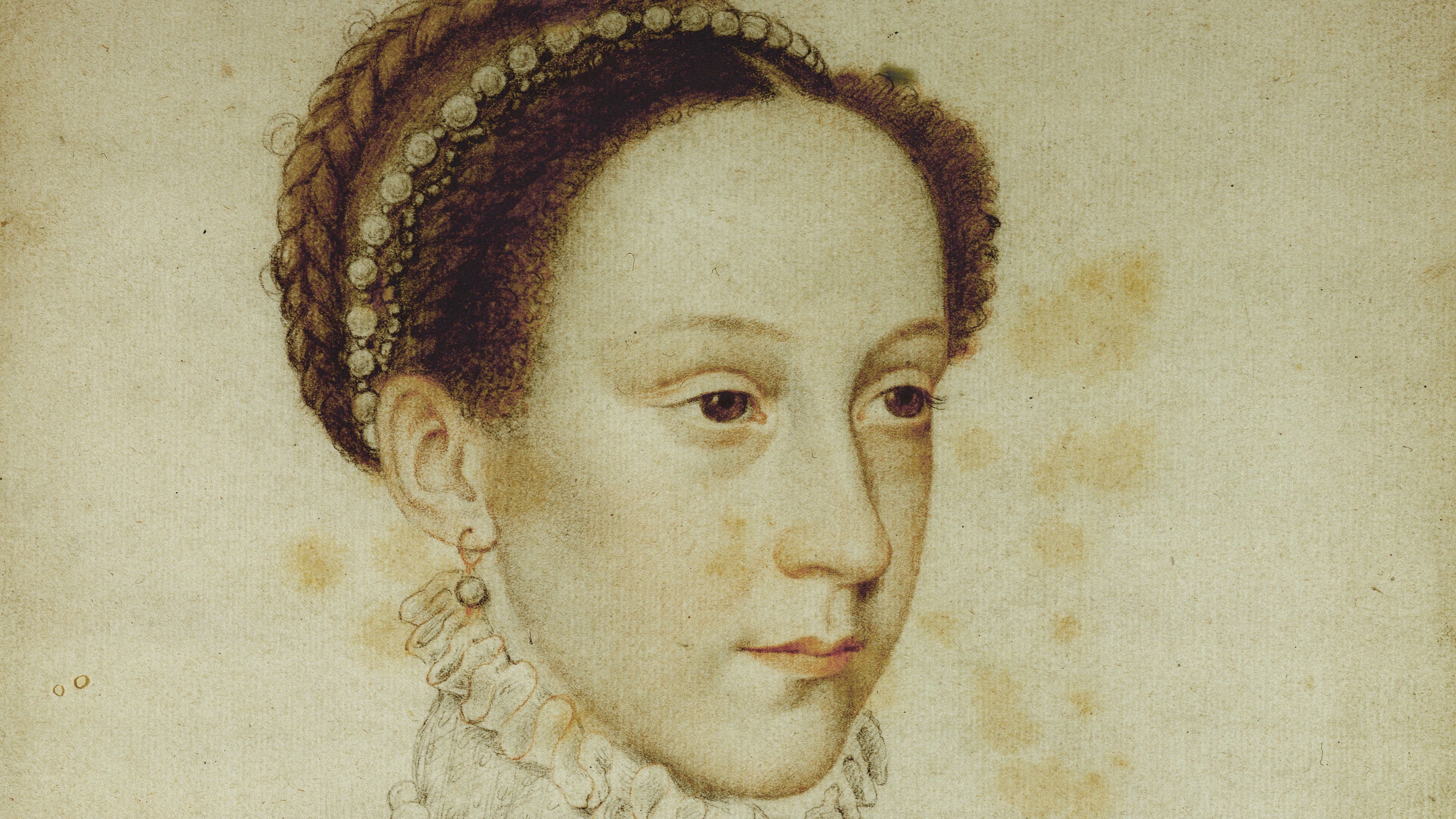
Fortune's Fool! (1537)
Yours, yours
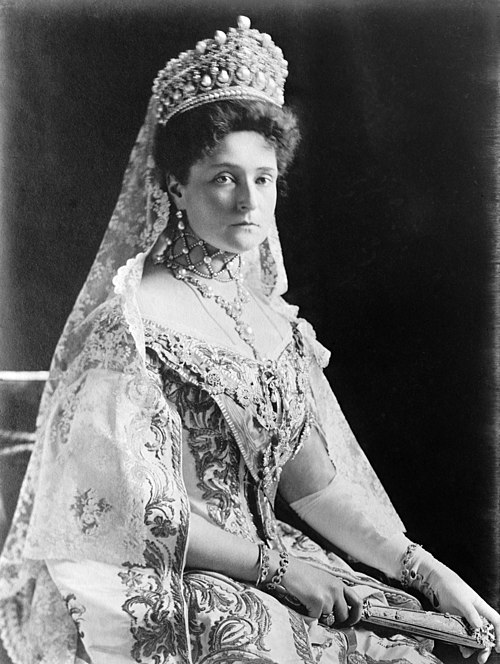
Upon occasion, an individual is the possessor of an extraordinary life résumé, the case with the woman who traversed the road from princess to empress to saint. Her story wove a tapestry that bound the threads of majesty, mayhem, and massacre.
A Far Better Rest (1775)
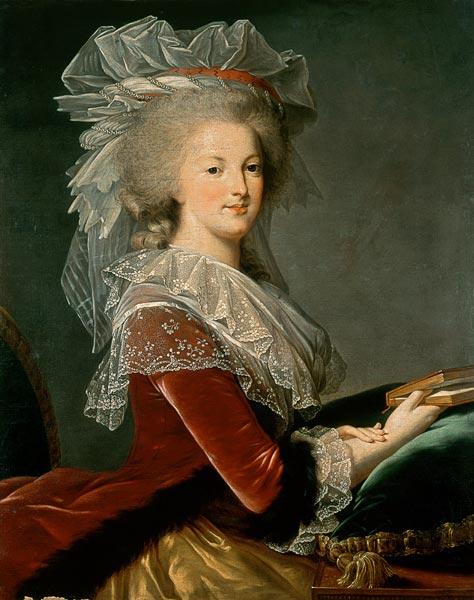
Those who wear the tiara capture the popular imagination, as queens exist in an emerald city of gowns, palaces, and jewels, oh my! And when a royal alters the course of world history, the dust never settles on their stories.
That's All That I Remember" (2013)

A proverb states, “Mighty oaks from little acorns grow,” and this was the case with a hash- tag heard round the world. Its seed was planted on a fateful Florida night when an encounter led to the convergence of the Titanic and the iceberg.

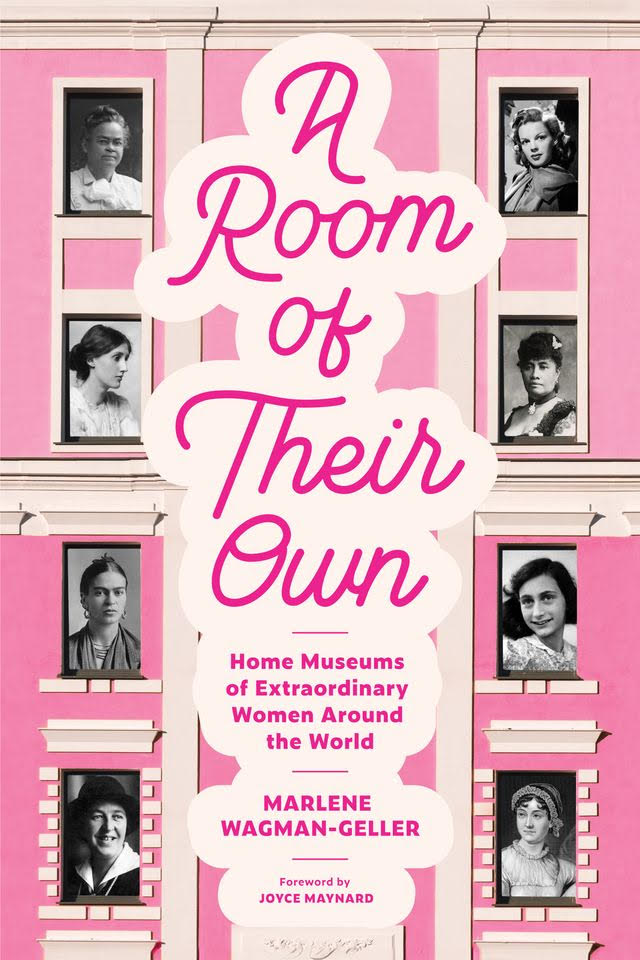
To purchase my newest book, A Room of Their Own Home: Museums of Extraordinary Women Around the World, please click one of the links below.
- Amazon.com: amazon.com
- IndiePubs: indiepubs.com
- Bookshop: bookshop.org
- Amazon.co.uk: amazon.co.uk
- Amazon.ca: amazon.ca
- B&N: b&n.com
- Chapters Indigo (CA): indigo.com
Recent Blogs