Salome (1906)

He was my cream, and I was his coffee-And when you poured us together, it was something.”
Balancing a fruit hat, one inspired by the “baianas,” Afro-Brazilian vendors, dancer Carmen Miranda’s samba sashayed onto the world stage. Fruit must be titillating, as another entertainer, clad in a banana skirt, likewise unleashed shock waves around the globe.
Camp Betty
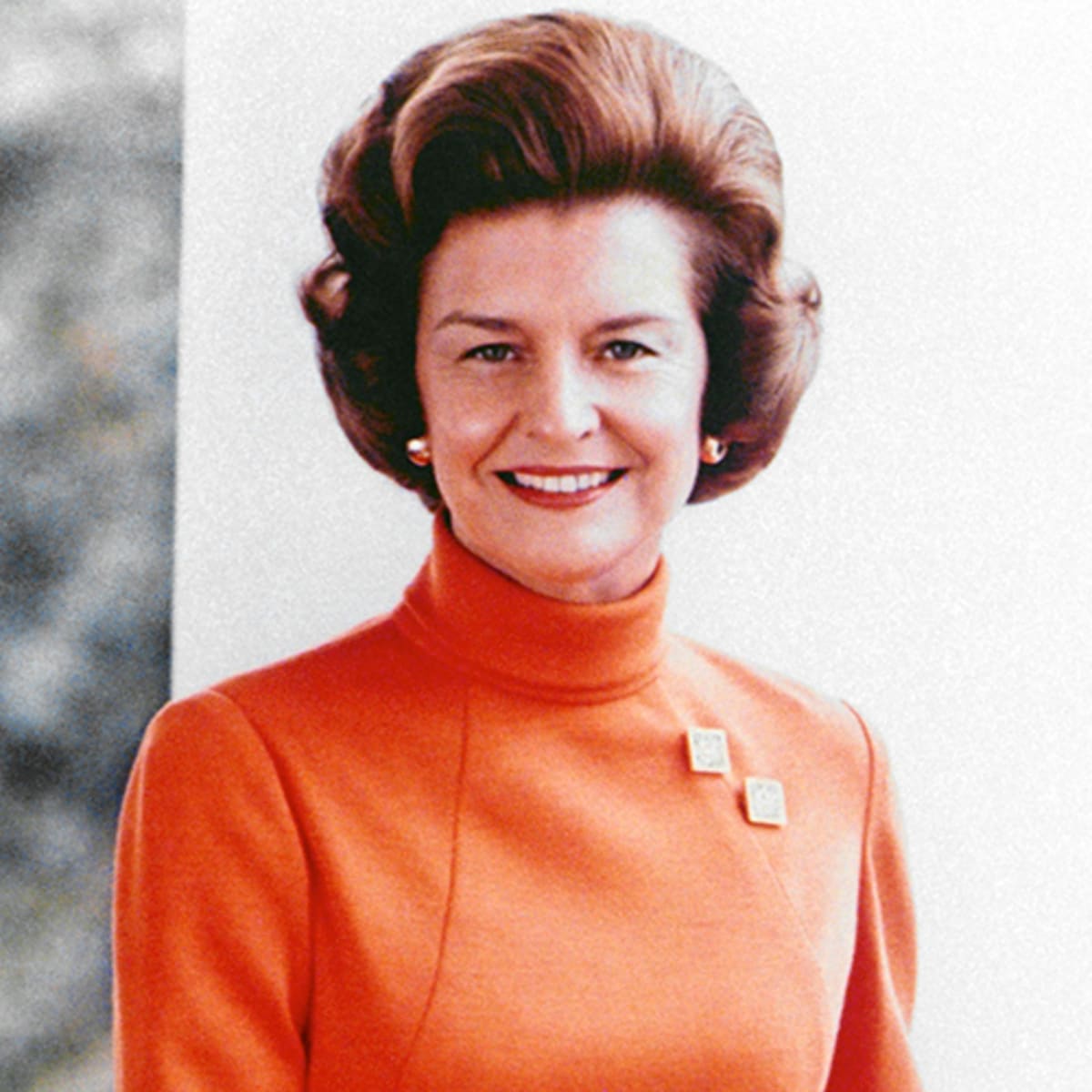
Tabula Rasa (1507)
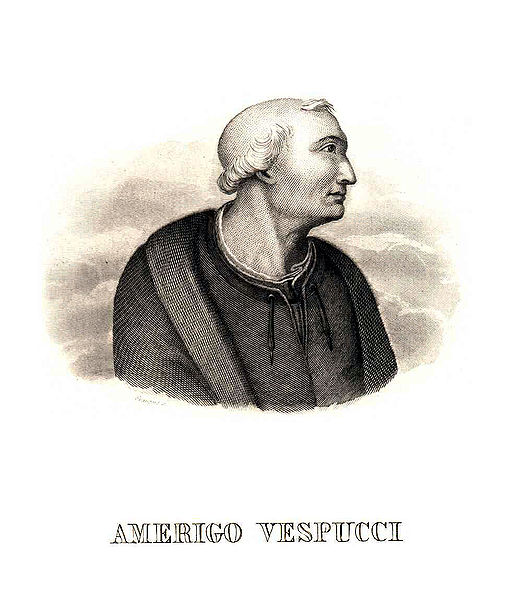
Going Home Alone (1943)
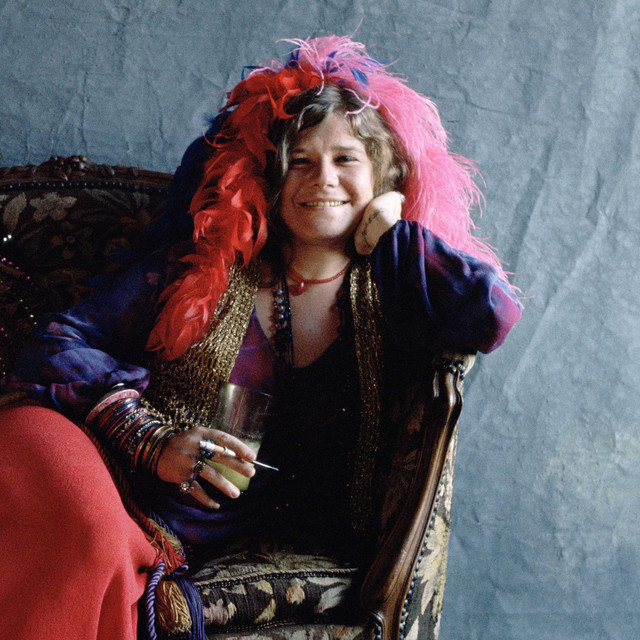
“I’m saving the bass player for Omaha.”
“Freedom’s just another word for nothing left to lose....” The song lyric, the paean to anguish, serves as the existential cry of Janis Joplin, the poster child for angst. The singer blazed across the sky: a comet whose brightness illuminated the darkness before disappearing into the night.
Success Was Sure to Go (1863)
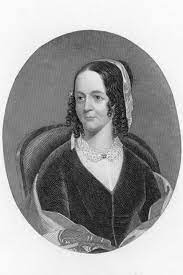
For Yourself Alone: Hair as Metaphor
The Book of Ruth (1933)

In the 1960s, Diana Ross, sheathed in sequined splendor, belted out hits for Motown’s The Supremes. A half a century later there appeared another supreme-one dressed in black with distinctive collar-who dissented in D. C.
The Nail that Sticks Up (1975)

La Belle Dame Sans Merci (1962)
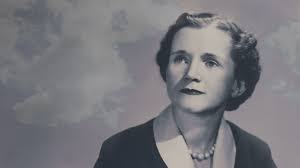
And no birds sing.” This was the closing line of the British poet, John Keats,’ 19th century
poem, “La Belle Dame Sans Merci.” The reason for the silence of the skies was nature’s
empathy for a knight, victim of a femme fatale. In post-war America, the skies were also
ominously quiet-for a far different reason.
The Jet (1931)

Loved Not Wisely (1941)
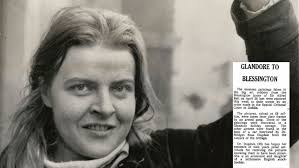
“You cannot defeat us ever. The tyrant will be brought down.”
In his seventeenth-century home in Delft, Holland, Johan van der Meer captured on canvass scenes of domestic tranquility: Lady Writing a Letter with her Maid, The Guitar Player, Girl with a Pearl Earring. While immortal works of art end up adorning the walls of palaces, mansions, and museums, van der Meer’s masterpieces spent time in a trunk of a car and an Irish cemetery due to a rebel with a religious-like passion.
Between Two Fires
A Good Judge (1981)

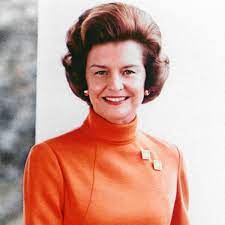
Camp Betty
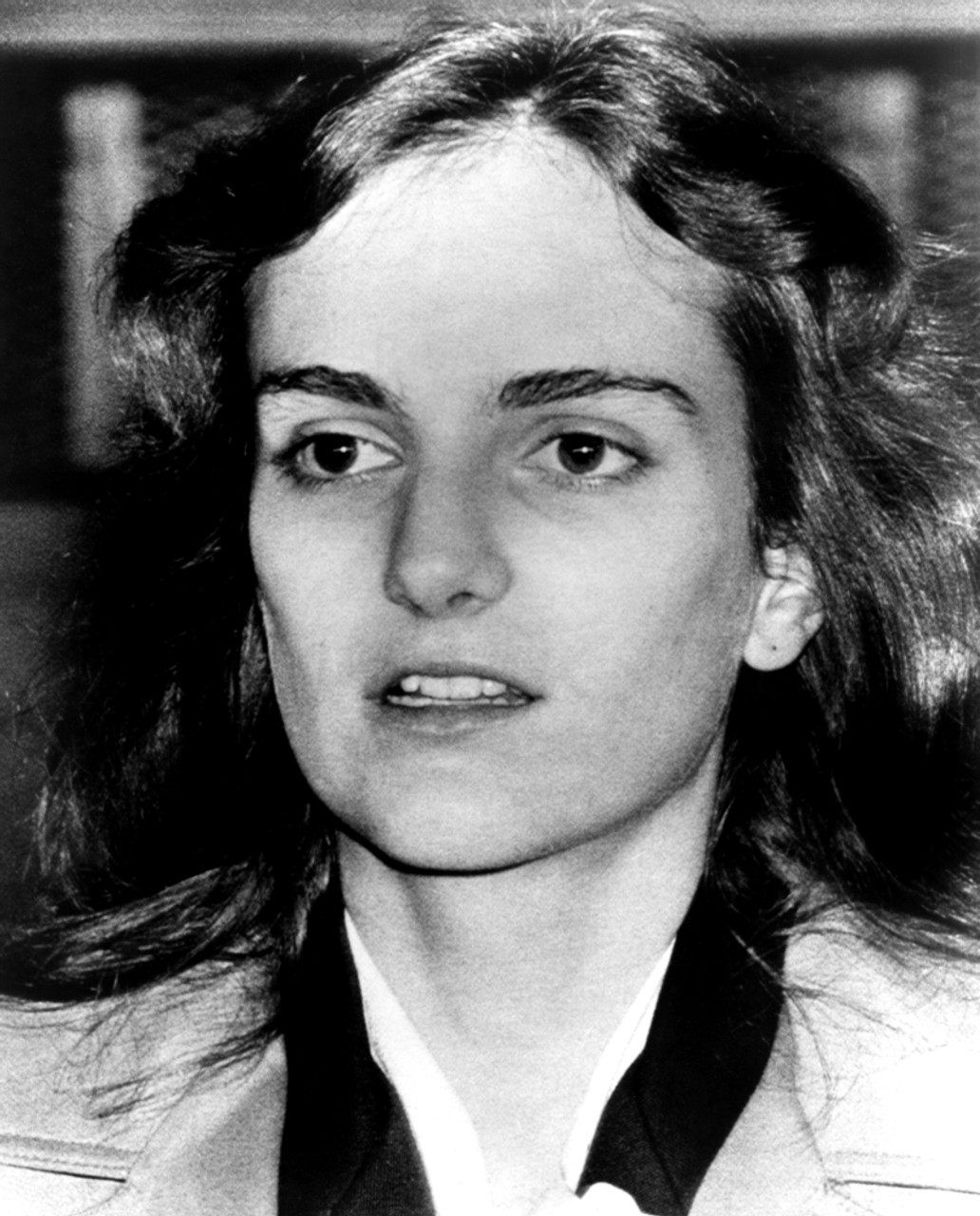
Where Light and Shadow Meet
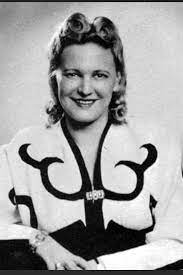
Rosebud (1954)
Never the Twain Shall Meet (1876)
Chapter 3 “Never the Twain Shall Meet” (1876)
“Taxation without representation is a tyranny.”
When Jack let go of Rose’s hand and disappeared into the icy depths of the Atlantic Ocean, Titanic fans let out a collective gasp. Those of a less romantic bent were left wondering why the elderly Rose consigned the Le Coeur de la Mer, The Heart of the Ocean, diamond to a watery grave. The non-celluloid counterpart to the fabulous blue gem reveals another tragic tale.
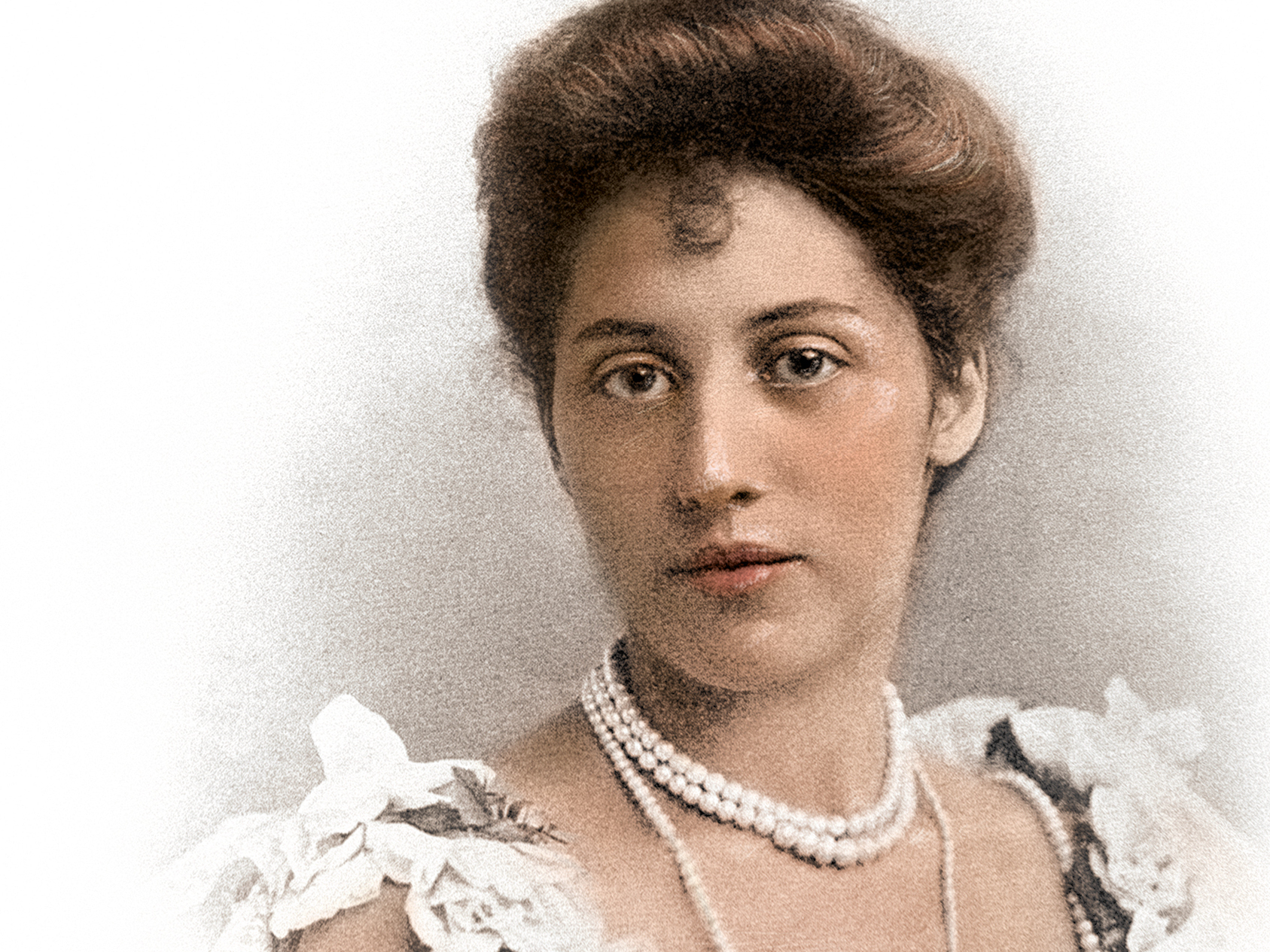
Princess Sophia Alexandrovna Duleep Singh was the granddaughter of Maharajah Ranjit Singh, the legendary one-eyed “Lion of the Punjab,” who ruled the Sikh Empire that extended from the Khyber Pass in the west to Kashmir in the north to Tibet in the east. He rode through his lands with the storied Koh-I-Noor diamond strapped to his sleeve. A century later, the gem became the prized possession of Ranjit Singh. After his passing, at which time several of his wives burned themselves on his funeral pyre, the next maharaja was his son, Duleep Singh. The British seized control and forced the eleven-year-old to relinquish his kingdom to the crown. Four years later, Duleep left for exile in England where he converted from Sikhism to Christianity. Queen Victoria said of her subject, “I always feel so much for these poor deposed Indian princes.” Her pity did not extend to returning his lands or the Koh-I-Noor.
The king without a kingdom married Bamba Müller, a Cairo born illegitimate daughter of a German merchant and an Abyssinian slave who placed their child in a missionary ward. In compensation for the confiscation of his birthright, Queen Victoria provided a 2.5-million-pound annual stipend in contemporary currency. The money led to Elveden Hall, a Suffolk estate transformed into a Mogul palace. Sophia was the fifth of his six surviving children, and the Singhs lived in great luxury; gardens held ostriches, leopards, and Indian hawks. Queen Victoria became Sophia’s godmother and gifted the child a sumptuously dressed doll known as “Little Sophie.” The Prince of Wales was a regular visitor. A presentation for debutantes at Buckingham palace ensured Sophia’s social standing.
The idylls of the Punjab Princess came with an expiration date. Her parents’ marriage ended due to her father’s promiscuity, gambling, and opulent lifestyle. Unable to pay his exorbitant debts, Duleep-who referred to Queen Victoria as Mrs. Fagin after the criminal in Oliver Twist- dedicated himself to wrestling back his stolen kingdom. Foiled in his attempt to return to India by the British government, Duleep ran off with Ada, a hotel chambermaid, leaving his family in dire financial circumstances. When he heard of his wife’s death, he sent a telegram to his oldest son, “Heartbroken-will write next week.” The deposed royal passed away at age fifty-five, destitute, in a Paris hotel, a casualty of the Raj. In nobles oblige, Queen Victoria installed her seventeen-year-old goddaughter in “a grace and favor” residence opposite Hampton Court Palace. The shy Sophia was content to dress in the latest Parisian fashions, breed her prized Pomeranians, and participate in the bicycle craze.
BA (1869)
Camelot Queen (1929)

What Rabbit Will Emerge? (1813)


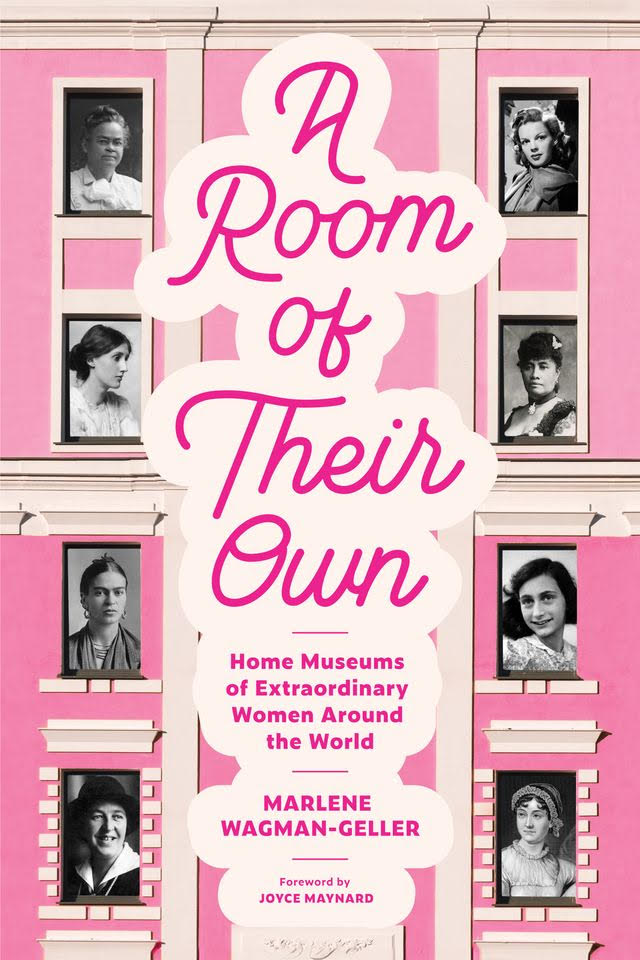
To purchase my newest book, A Room of Their Own Home: Museums of Extraordinary Women Around the World, please click one of the links below.
- Amazon.com: amazon.com
- IndiePubs: indiepubs.com
- Bookshop: bookshop.org
- Amazon.co.uk: amazon.co.uk
- Amazon.ca: amazon.ca
- B&N: b&n.com
- Chapters Indigo (CA): indigo.com
Recent Blogs