Preface: A Room of Their Own: Women's Home Museums Revealed
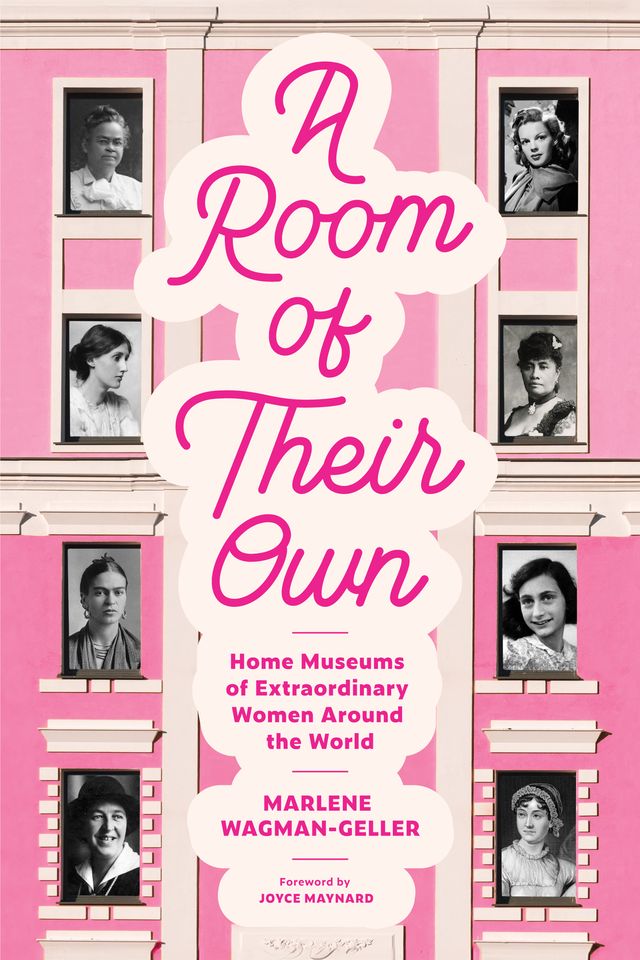
“Sing in me, Muse, and through me tell the story.” –Homer
The word museum originated from the ancient Greek word that denoted “place of the muses.” The nine Muses were the offspring of Zeus–who wasn’t?–and Mnemosyne, the Goddess of Memory. Indeed, museums are the repositories of memories, of ancient civilization, of the apogee of artistry.
I Do Not Give a Damn (1893)
.jpeg "I Do Not Give a Damn (1893)")
“The first thing I do in the morning is brush my teeth and sharpen my tongue.”
Legions of literary ladies entertain the dream of heading for New York City to become another Dorothy Parker, the rapier wit who achieved renown as the Guinevere of the Algonquin Round Table, a group of Manhattan writers and critics. Would-be Parker acolytes might reconsider walking in her pumps if they understood the pain behind Mrs. Parker’s wisecracks.
Failure is Impossible
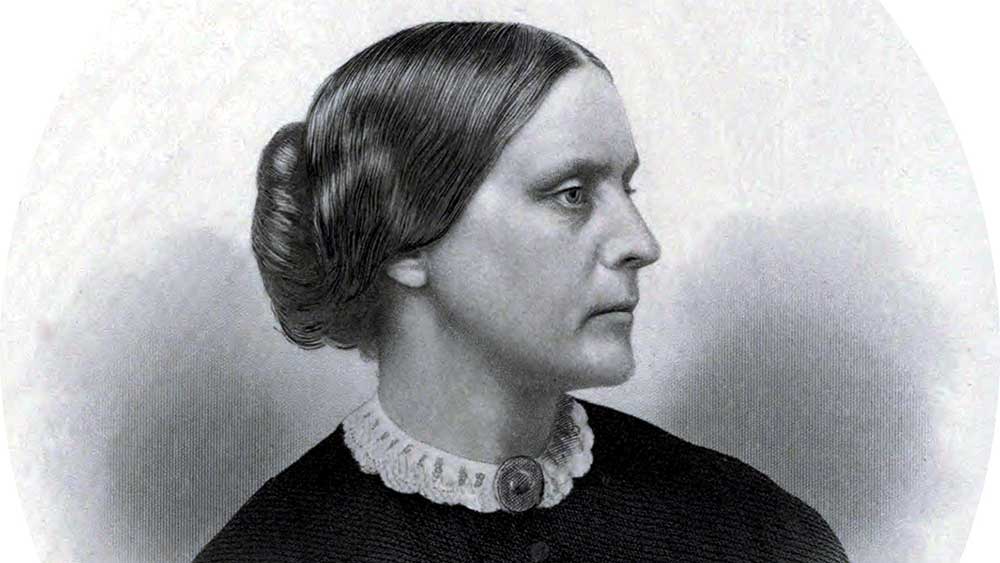
“Men, their rights, and nothing more; women their rights, and nothing less.”—Susan B. Anthony
National Susan B. Anthony Museum & House (opened 1945)
The unwavering friendship between Elizabeth Cady Stanton and Susan B. Anthony helped form the foundation of the American suffrage movement. Elizabeth supplied many of the speeches that Susan delivered. Elizabeth explained, “I forged the thunderbolts and Susan fired them!” For those desperately seeking Susan, one should make a pilgrimage to the National Susan B. Anthony Museum & House.
The Quaker faith (so-called as members were said to quake in the presence of the Lord) shaped Susan’s soul and provided the courage to slay the hydra heads of injustice. Susan Brownell was born in 1820, the second oldest of seven children of Daniel and Lucy Anthony. Along with her sisters, Guelma, Hannah, and Mary, Susan shared the same educational opportunities as her brothers. From an early age, Susan suffered from a wandering eye that made reading difficult and led to her insistence to be photographed in profile. The family lived in Adams, Massachusetts; when Susan was six they moved to Battenville, New York, where Daniel managed a mill. As a child, Susan could not understand why Sally Anne Hyatt, her father’s employee, more knowledgeable about weaving than her supervisor, Elijah, was not in charge. Daniel explained a woman could not hold a position of authority.
Celestial Brethren

“And if you chance to feel that the positions I occupied were rough and unseemly for a woman, I can only reply that they were rough and unseemly for men.”—Clara Barton (at Cedar Mountain)
What is red and white, carries an iconoclastic symbol, and is an inversion of the Swiss flag? The American Red Cross started with a shy New England girl, born to be a nurse. To learn about Clarissa Harlow Barton, take a tour of the Clara Barton Museum.
Florence Nightingale, the founder of modern nursing, was named after Florence, Italy, the city of her birth. Sarah and Captain Stephen Barton christened their daughter Clarissa (Clara), after the protagonist of the British novel Clarissa, Or, The History of a Young Lady by Samuel Richardson. Raised in the Universalist Church, Clara started her life on a farm in Oxford, Massachusetts, on Christmas Day, 1821, the youngest of five children. Fond memories were the times her father, a former army officer, shared stories of the Northwest Indian War.
When Clara was ten, her brother, David, fell while working on repairing a barn. She recalled of the medical practice of using leeches to suck out his “bad blood”: “My little hands became schooled to the handling of the great, loathsome, crawling leeches which were at first so many snakes to me.” The two years she spent nursing him endowed her with a sense of purpose.
Remained to Pray
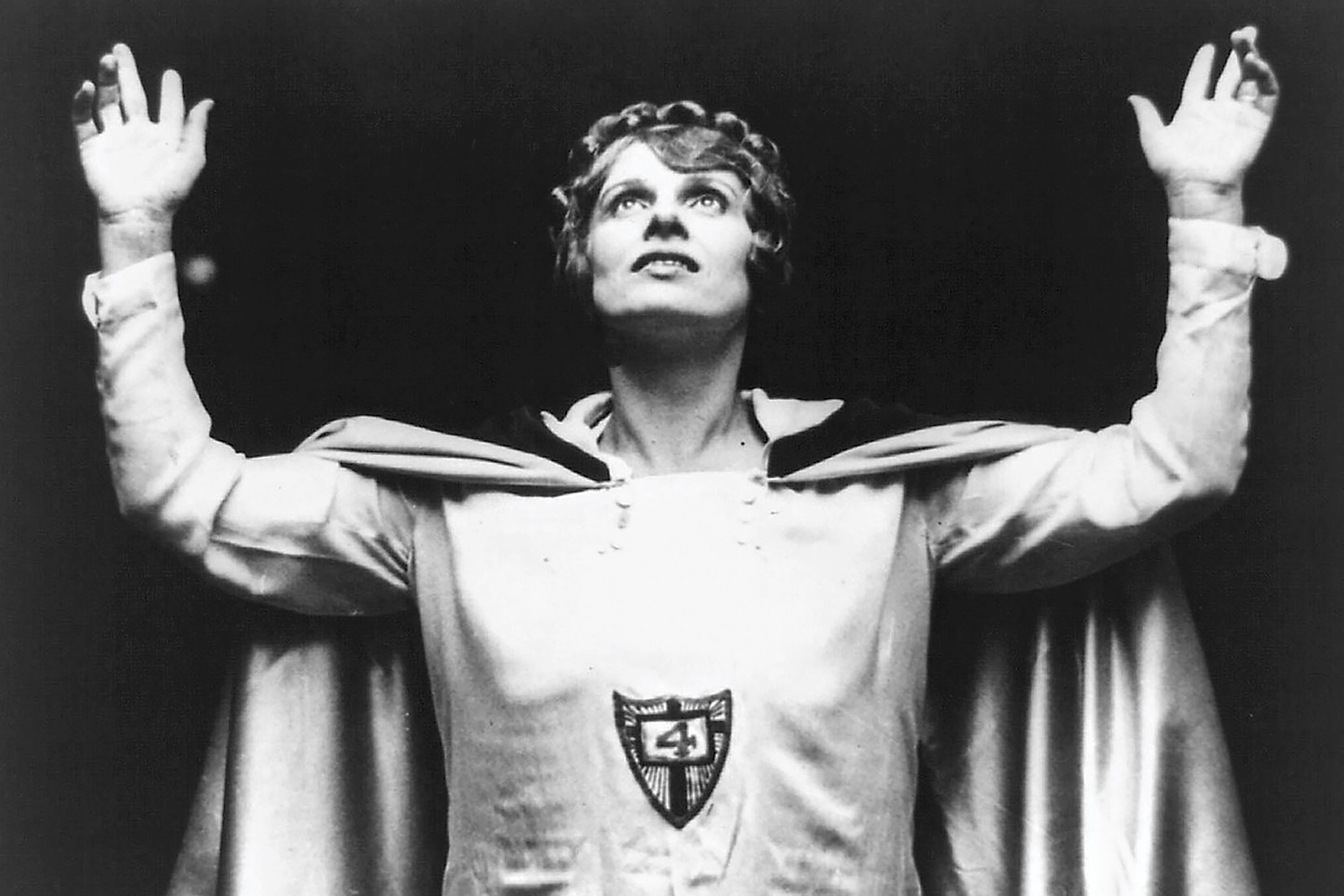
“I am not a healer. Jesus is the healer. I am only the office girl
who opens the door and says, ‘Come in.’”
–Aimee Semple McPherson
Foursquare Heritage Center-The Parsonage of Aimee Semple McPherson (opened 2006)
Los Angeles, California
A daunting endeavor for Canadians is achieving acclaim in the United States, but a few have made their mark. One of the successful was Aimee Elizabeth Kennedy from Ingersoll, Ontario, who transformed into America’s evangelist. Her spirit resides in the Parsonage of Aimee Semple McPherson.
Glory Day (1994)

Ellen: “Haven’t you ever had sex dreams about people?”
Paige: “Ellen, I’m a doer, not a dreamer.”
“Who shot JR?” In 1980, the question was on everyone’s lips, bumper stickers, and magazine covers. Television audiences were delirious to discover who had fired two .38 caliber bullets into the disreputable oil tycoon during the third season’s finale of Dallas. Seventeen years later, Ellen replicated the furor; on that occasion the question: Is she or isn’t she?
Seen the Glory (1861)

Songs have oftentimes encapsulated the spirit of protest and become synonymous with a movement. In 1772 former slave trader turned abolitionist, John Newton, penned “Amazing Grace,” an ode against slavery. In 1969 during his ‘bed-in,” John Lennon composed “Give Peace a Chance” against the Vietnam War. In 1972 Helen Reddy, the voice from Down Under, became the roar of Women’s Liberation. Another paean was born during a clash between the blue and the gray.
Women's Spaces (2024)
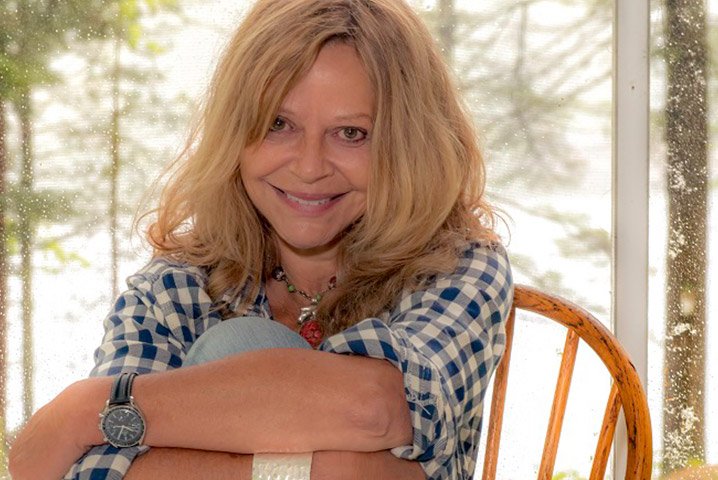
Still Somewhere
.jpeg "Still Somewhere")
“Sorrow lies like a heartbeat behind everything I have written.”
–P. L. Travers
The Story Bank (opened in 2019)
Maryborough, Queensland, Australia
If the east wind blows you into the town of Maryborough, visit The Story Bank to partake of heaping spoonfuls of sugar. The museum was the birthplace of P. L. Travers, the Australian-born author of British nanny, Mary Poppins.
Remember the Lady
.jpg "Remember the Lady")
“Give up the harsh title of Master for the more tender and endearing one of Friend.”
–Abigail Adams
If one listens intensely enough, the walls of Peace field do talk. They whisper of Founding Mother, Abigail Adams, who admonished the periwigs to share power with the petticoats. To discover an intriguing slice of America, explore the Old House at Peace field.
T.G.I.M. (1962)
.jpeg "T.G.I.M. (1962)")
In the 2003 episode of The Simple Life, Paris Hilton, claiming she had never heard of Walmart, asked if it was a place where “they sold wall stuff.” Although Paris does not frequent Walmart, millions do, oblivious to the fact that Samuel Walton, (the last three letters of his surname and the word ‘mart-’abbreviation for market), served as the namesake of the megastore.
ThIs Great War
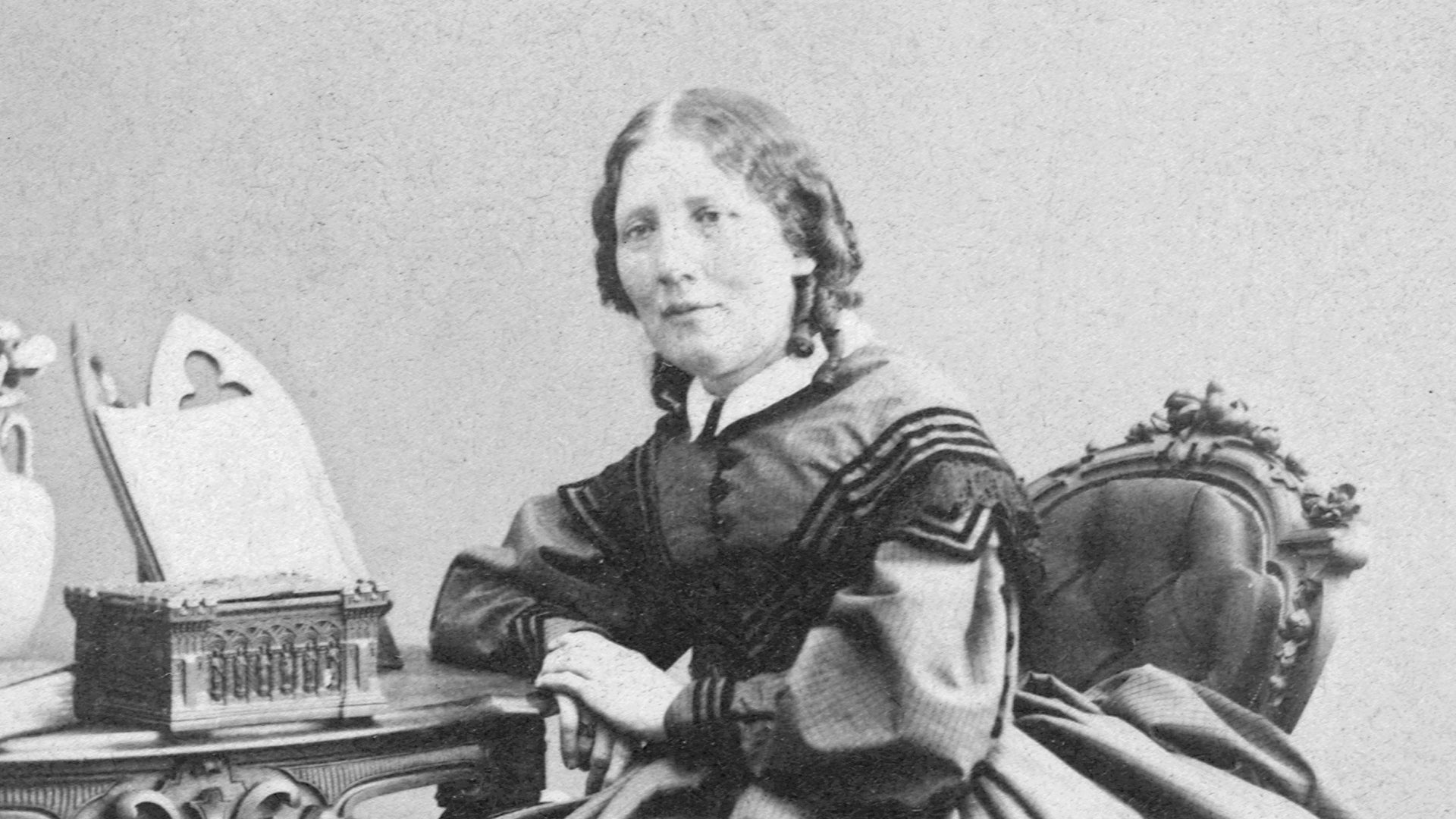
“There is more done with pens than swords.” –Harriet Beecher Stowe
Extraordinary novels have had a global impact: John Steinbeck’s The Grapes of Wrath, Harper Lee’s To Kill a Mockingbird, and George Orwell’s 1984. Harriet Beecher Stowe’s Uncle Tom’s Cabin altered history as it helped ignite the American Civil War. To learn about the female great emancipator, follow the road to the Harriet Beecher Stowe Center.
Jewel in the Crown (1982)

If the Grimm brothers had championed morganatic marriages, Cinderella would still be sweeping cinders, Rapunzel would remain trapped in her tower, Snow White would yet slumber. Similarly, if the English monarchy had harkened to the matrimonial rule of yesteryear, a throne would not beckon for a coal miner’s “daughter.”
The Other Hamilton
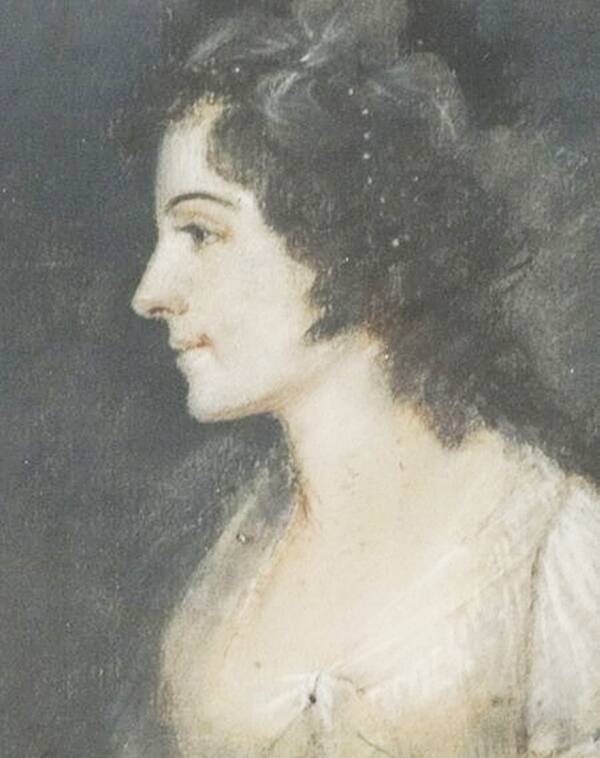
“No lapse of time, no nearness to the grave, makes any difference.”
–Eliza Hamilton on her refusal to forgive President James Monroe
At the conclusion of the megahit musical, Hamilton, Eliza Hamilton lets out a gasp, followed by the chorus breaking into the haunting lyrics, “Who lives, who dies, who tells your story?” A way to discover Eliza’s story is to visit the Hamilton Grange house-museum.
Let History Make the Judgment (1993)
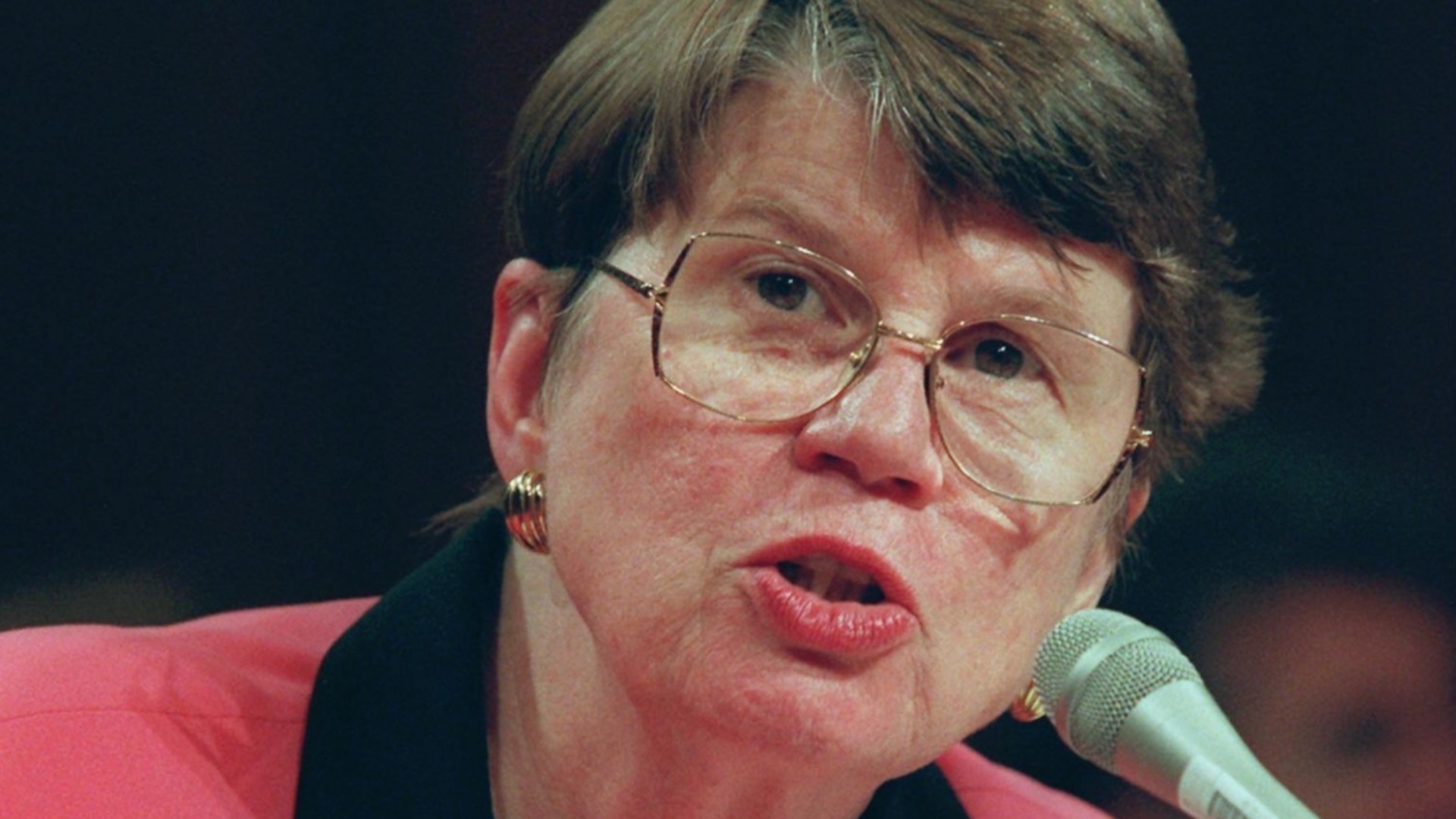
A Room of One's Own
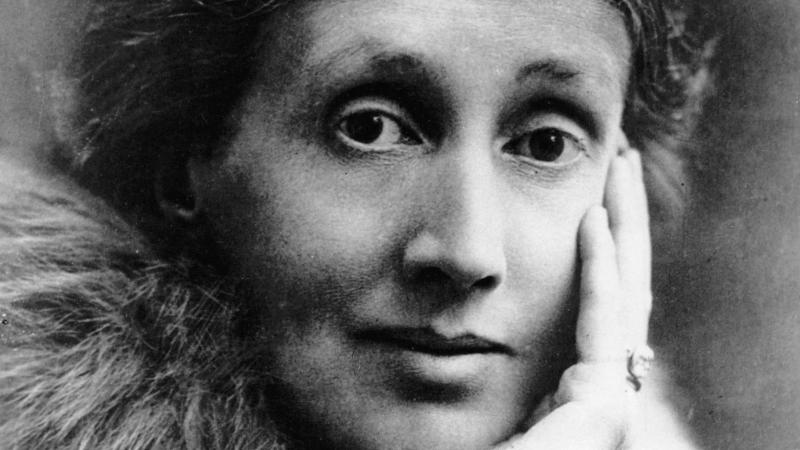
“For most of history, Anonymous was a woman.”
–Virginia Woolf
Monk’s House (opened 1981)
East Sussex, England
Leonard Wolf observed, “What cuts the deepest channels in our lives are the different houses in which we live.” His words apply to Monk’s House that served as a lighthouse for him and his writer-wife, Virginia.
The Last Word (1501)
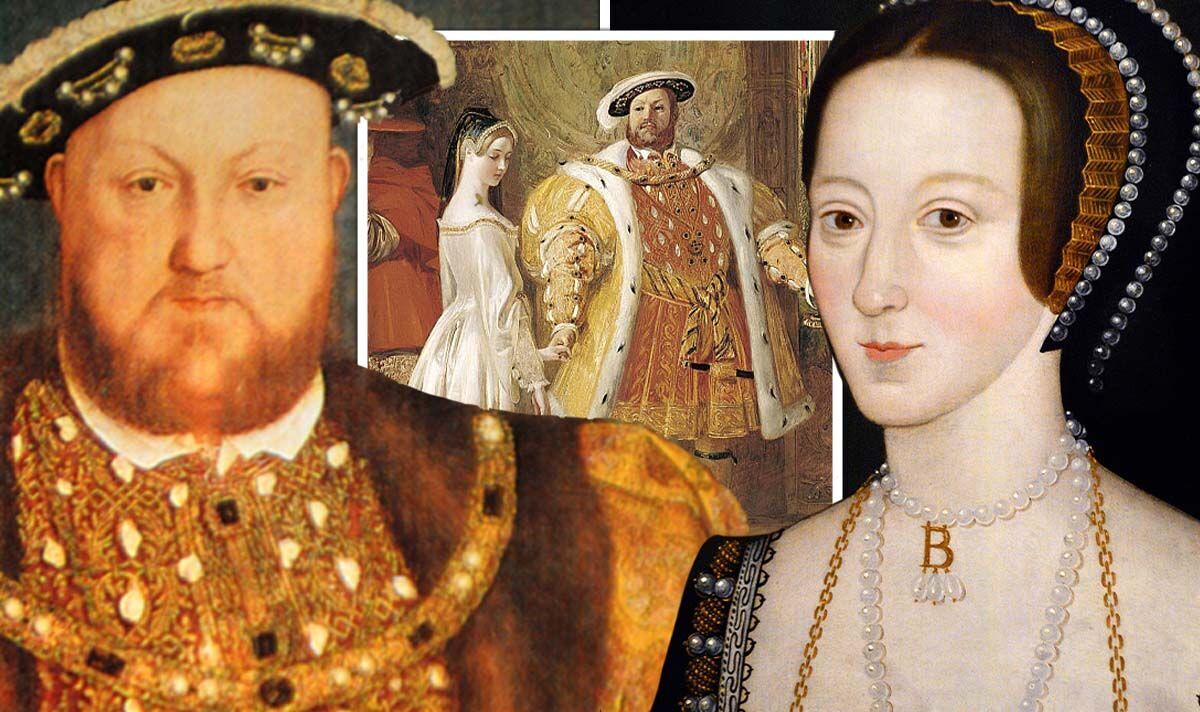
Graves are Always Tidy
Chapter # Graves are Always Tidy
“One can give up many things for love, but one should not give up oneself.” -Edith Wharton
The Mount (opened 2002 )
Lennox, Massachusetts
The writer who punctured the stereotype of the starving artist, Edith Wharton comes across as a cosseted, stiff-necked dowager, with stays firmly fastened. However, if passion had not beat under the primness, she could never have penned her passionate epics. To partake of her gilded world, grab your lorgnette and head to The Mount.
Ready to Depart
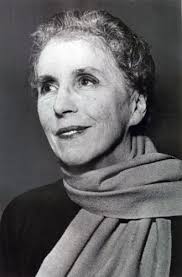
The Karen Blixen Museum (opened in 1986)
Nairobi, Kenya
“I had a farm in Africa, at the foot of the Ngong Hills…” are the opening words of Karen Blixen’s memoir of her seventeen-year sojourn in Nairobi. Visiting her former home, now the Karen Blixen Museum, is to return to a yesterday where the “The Dark Continent,” then the domain of British East Africa, was the paradise-playground of rich Europeans.
The Past
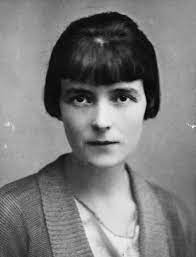
“Never relight a dead cigarette or an old passion.”
–Katherine Mansfield
Katherine Mansfield House & Garden (opened 1988)
Wellington, New Zealand
The possessors of sphinxlike personalities prove challenging subjects for their biographers who must strip off various masks. Katherine Mansfield, in her journal, paraphrased Polonius’ words from Shakespeare’s play The Tragedy of Hamlet, “True to oneself Which self?” To best understand the New Zealand enigma, journey to the landscape of her childhood: the Katherine Mansfield House & Garden.
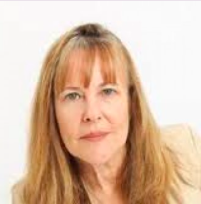
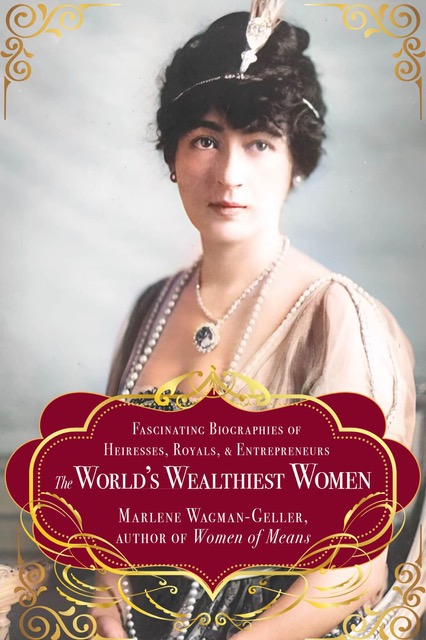
To pre-order my newest book, The World's Wealthiest Women: Fascinating Biographies of Heiresses, Royals, Entrepreneurs, and Entertainers, please click one of the links below.
- Amazon.com: amazon.com
- IndiePubs: indiepubs.com
- Bookshop: bookshop.org
- Amazon.co.uk
- Amazon.ca
- B&N: b&n.com
- Chapters Indigo (CA): indigo.com
- Books That Save Lives